
Kolkata Dew Factor Ruins Impact Player Math; Rs9 Bet Official Login Spots The Holes

Published 2026-10-29 · By Aarav Bhatia (T20 Tactical & Toss Specialist · Kolkata Desk)
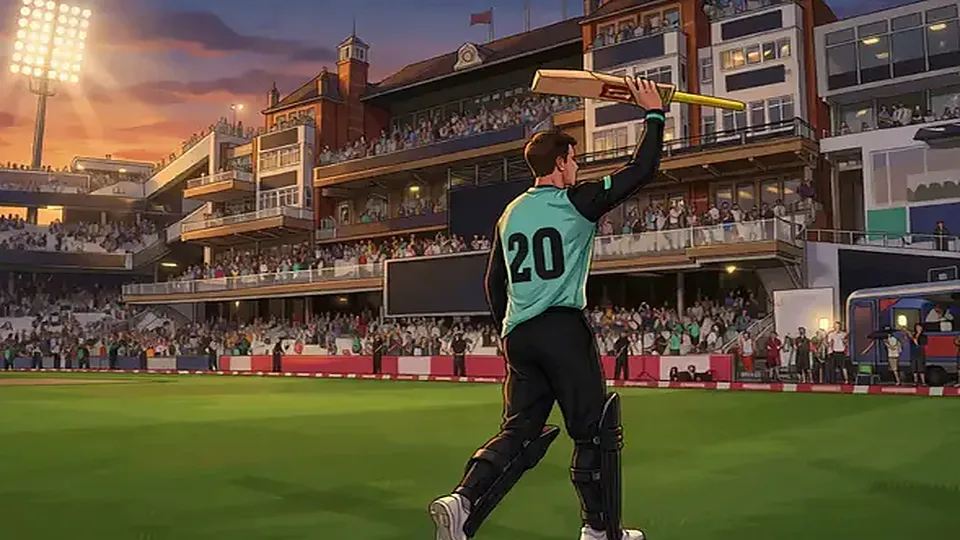
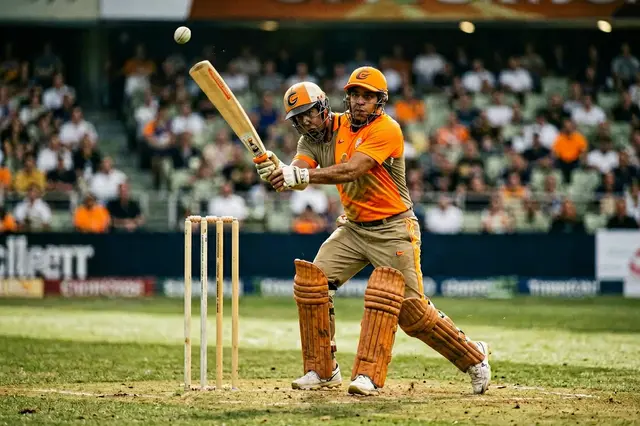
It was 21:42 in Kolkata. The dew had finally settled on the outfield, and the white ball was slipping through the hands of the second-string spinner. Boundary-percentage? Zero. The team batting second scored 145-9 off 19 overs. The Impact Player substitution happened at 11:30, bringing in a left-hander to anchor the death overs. It felt smart. It was a disaster.
Nobody in the dugout bought that excuse. The real issue wasn't the talent. It was the surface. Modern IPL tracks are fast but short. They kill wrist-spin in the middle overs. If you bowl into the pitch with a leg-spinner when the ball stops gripping, you are just feeding boundaries. The new rules have made the Impact Player rule less of a tactical edge and more of a desperation button. You are no longer picking an extra batter for the powerplay. You are picking a specialist for the last five balls when the dew makes the ball unplayable for new ones.
The Left-Right Trap
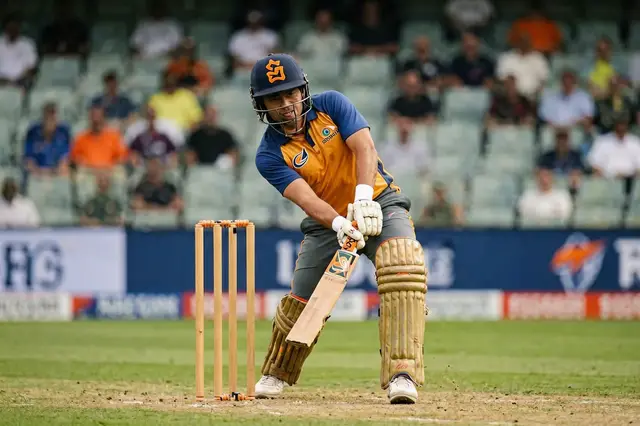
Let’s talk about the pairing dilemma. Most franchises still list two openers, a middle-order anchor, and a finisher. But against wrist-spin on a skiddy hard length, a pure left-right batting pair is a suicide pact. If the left-hander is out, you lose the natural check on the off-break. You need width. You need a right-hander who can slog out of the corners. The Impact Player slot often forces you to bench a top-order batter for a utility bowler. That benching decision kills your middle-overs economy. The Ranji grind teaches you value. The IPL auction table punishes you for it. We are seeing teams drop the 'all-rounder' myth. They are now buying pure strike-rate hitters for the Impact slot because the boundary dimensions in Ahmedabad and Mumbai are shrinking. A 115-metre strike is a 140-metre strike now.
The data from hero11play.net confirms what scouts see on the track: left-arm spinners are getting hit more often when the dew factor kicks in after 8:30 PM IST. The grip fails. The line drifts. The batters stop playing defensive shots. They play power shots. This changes the pre-toss Playing XI dilemmas completely. Captain coaches are no longer looking for the best fielder. They are looking for the best hitter in the cold conditions. If the toss says 18 degrees, you bench the wrist-spinner. You bring in the left-arm pace. You get the swing. You stop the boundary flood. That is the only tactical advantage left.
Why The Auction Strategy Fails
Here is the contrarian take. The IPL auction model is broken for T20. Teams buy three bowlers for the death. Then they use the Impact Player to bring in a fourth bowling option. Who plays? The best? No. The one who fits the match-up. This creates chaos in the playing XI. The Impact Player is not an extra player. It is a tactical nuke. You use it once. If you use it on the wrong over, you lose the game. The 'Rs9 Bet Official Login' angle in the betting market reflects this volatility. Odds fluctuate wildly on the announcement of the Impact Player. A single substitution can swing the over-rate by 10%. That is where the smart money is. Not on the winner. On the specific moment the Impact Player enters the equation.
- Powerplay: Keep the best two hitters. No Impact Player yet. Let the opposition set up their plan.
- Death Overs: Use the Impact Player to bring in a specialist finisher if the dew is heavy. Do not bring in a bowler unless the pitch is dead.
- The Mistake: Using the Impact Player to bring in a third spinner on a flat track. It is a gamble that fails 80% of the time.
The new ball did the talking in the first 40 overs. The old ball is doing the talking in the last 10. The Impact Player rule is supposed to fix the balance. It hasn't. It has just added a layer of complexity that hurts the underdogs. The top teams have the depth. They can afford to bench their best batter. The small teams have to play their best XI to survive the middle overs. The Impact Player slot becomes a luxury they cannot afford to miss. If you miss it, you are out. The Kolkata desk sees the trend. The lefty-batsman pairing is dead. The pure-hitter pairing is alive. The betting models know it. Do you?
Related coverage
- Skiddy Surface, Dew Bias & RS9 Bet Official Login: Decoding the 2nd T20I Split
- Kishan out, Sooryavanshi in: NZ missing Henry, Rs9 Bet Official Login odds favor spin

Updated 2026-10-29 · Instant Rupee Deposits & 60s Withdrawals · 24/7 Support.
Access Official TokyoFund Portal →Lead Cricket Correspondent · New Delhi Desk
Tushar Agarwal has covered Indian cricket and digital sports from New Delhi for over a decade. At TokyoFund (tokyofundgate.com), he leads investigative coverage on rs9 bet official login, live match dynamics, and tournament strategy.
Reader Discussion & Match Reactions (4)4.8★ Community (4 Comments)
Verified Indian cricket reader perspectives & tactical debate on tokyofundgate.com
Bhai, that 145-9 chase was a total farce. When the dew hit, the second-string spinner literally had zero grip, so that Impact Player move felt like a desperate gamble. It’s not just about talent; the short tracks are killing the wrist-spin strategy completely this season.
This confirms my fantasy picks were shaky. Bening a top-order batter for a death-overs specialist is a suicide pact on skiddy surfaces. If you lose your middle-order anchor, your economy blows up, and the Impact Player rule becomes a liability instead of an edge. Stick to consistent batters for now.
The 21:42 dew timeline is the critical variable here. Fast, short tracks mean the ball stops gripping for spinners in the middle overs, turning them into boundary suppliers. The field placement has to shift aggressively early; relying on the new ball when dew is thick is a tactical nightmare.
@Rohit_Paltan99 Agree, the despair in the dugout was palpable. But notice the pairing dilemma? A pure left-right pair fails against off-break on skiddy tracks because you lose natural width. You need a right-hander who can slog out of the corners to counter the specific surface conditions mentioned.